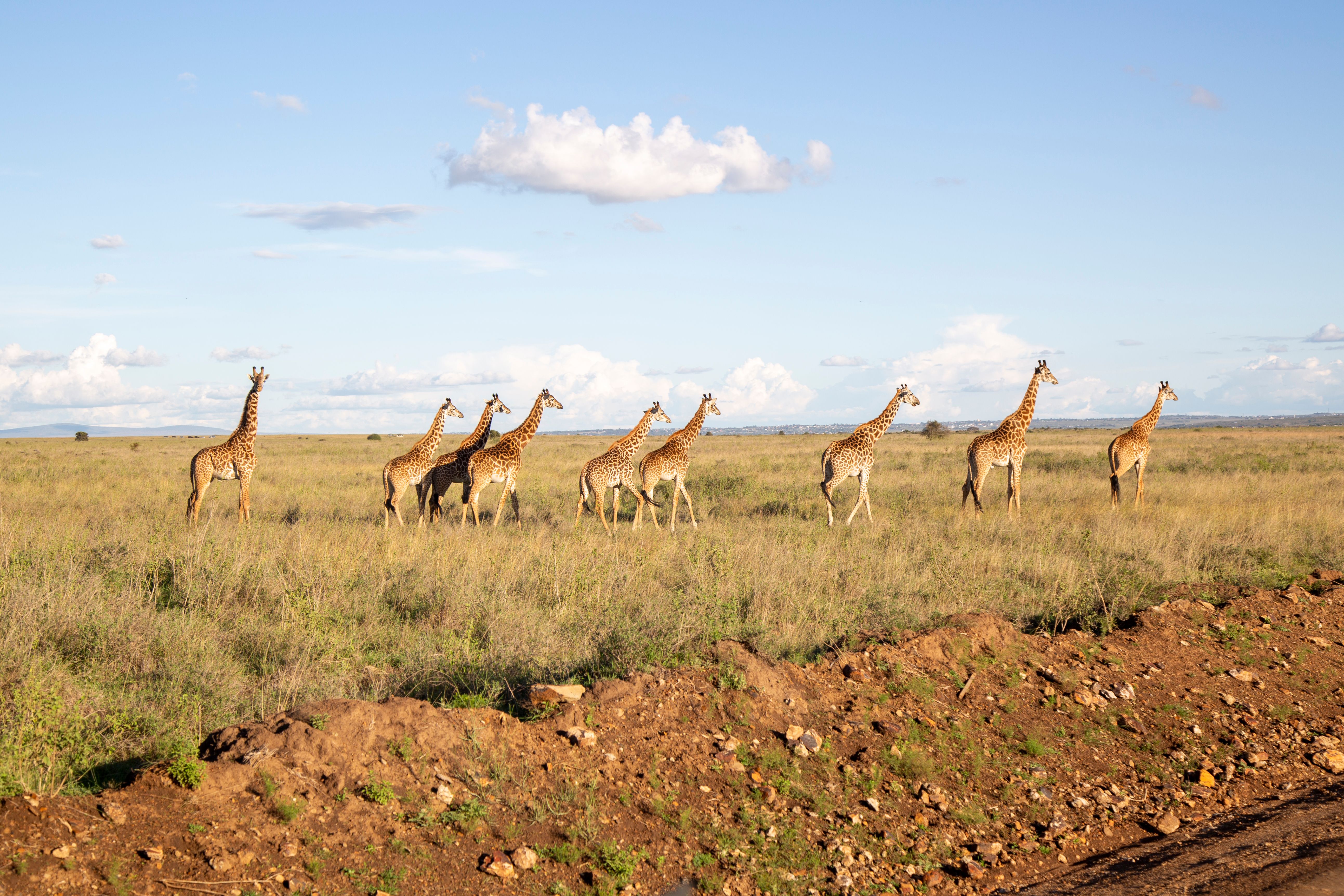
The Ultimate Masai Mara Safari Guide: Everything You Need to Know Before You Visit
There are places you visit, and then there are places that completely change the way you see the natural world. The Masai Mara National Reserve is one of those places.
Famous for its incredible wildlife, breathtaking landscapes, and the world-renowned Great Wildebeest Migration, the Masai Mara is Kenya's premier safari destination and one of Africa's greatest natural treasures.
Whether you're planning your very first safari or returning for another adventure, this complete guide covers everything you need to know—from the best time to visit and where to stay to how to get there, what to pack, and how to make the most of your experience.
Why Visit the Masai Mara?
Located in southwestern Kenya along the border with Tanzania, the Masai Mara National Reserve forms part of the larger Serengeti-Mara Ecosystem, one of the world's most important wildlife habitats.
Wild animals roam freely across this ecosystem, crossing international borders in search of fresh grazing, making every safari unique.
The Masai Mara is best known for:
- The Great Wildebeest Migration
- Exceptional Big Five game viewing
- High concentrations of predators
- Endless rolling grasslands
- Incredible wildlife photography opportunities
- Rich Maasai culture
It's widely regarded as one of the best safari destinations anywhere in the world.
Incredible Wildlife
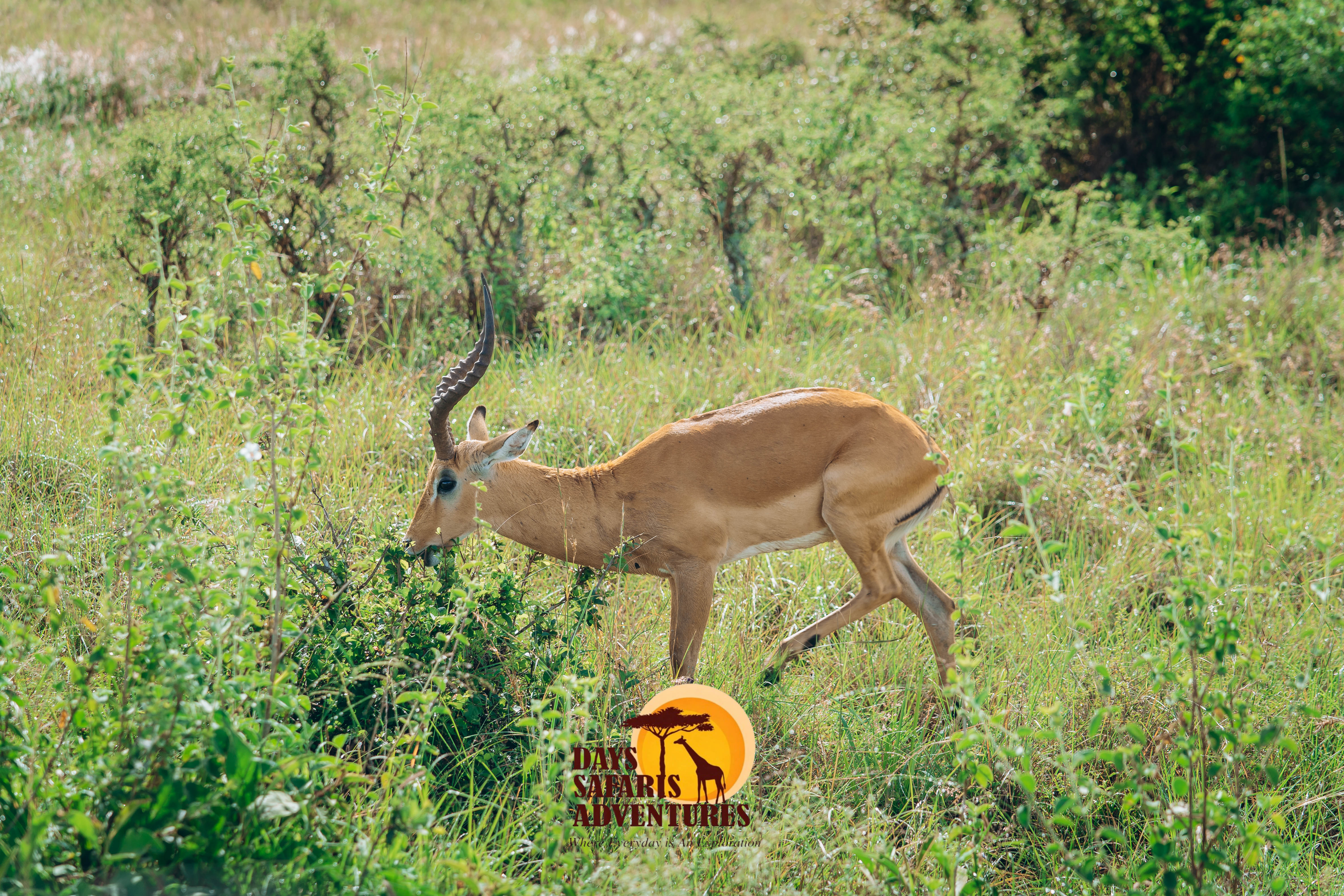
The Masai Mara offers some of Africa's most reliable wildlife viewing throughout the year.
Visitors regularly encounter:
- Lions
- Leopards
- Cheetahs
- Elephants
- African buffalo
- Giraffes
- Zebras
- Wildebeest
- Hippos
- Crocodiles
- Hyenas
- Jackals
- Hundreds of bird species
The reserve is especially famous for its large lion prides and healthy predator populations, making it one of the best places on Earth to witness natural hunting behavior.
The Great Wildebeest Migration
Every year, over 1.5 million wildebeest, together with hundreds of thousands of zebras and gazelles, travel between Tanzania's Serengeti and Kenya's Masai Mara in search of fresh grass.
One of the migration's most dramatic moments occurs when the herds cross the crocodile-filled Mara River.
These river crossings have become some of the most iconic wildlife spectacles ever filmed.
Because the migration follows rainfall rather than fixed dates, each year is slightly different, making every safari unique.
Best Time to Visit the Masai Mara
The Masai Mara is a year-round destination, but the ideal time depends on what you'd like to experience.
July to October – Great Migration Season
This is the reserve's busiest period.
Expect:
- Massive wildebeest herds
- Dramatic Mara River crossings
- Excellent predator sightings
- Dry weather
- Peak accommodation prices
- Larger visitor numbers
August and September generally provide the highest chances of witnessing river crossings.
January to March – Green Season
Many experienced safari travellers consider this one of the best times to visit.
Benefits include:
- Beautiful green landscapes
- Fewer tourists
- Excellent wildlife viewing
- Fantastic photography conditions
- Active predators during calving season
Resident wildlife remains abundant throughout the reserve.
April to May – Long Rains
This is the quietest and most affordable season.
Advantages include:
- Significant lodge discounts
- Peaceful game drives
- Vibrant scenery
- Excellent birdwatching
Some roads become muddy, and a few camps temporarily close.
June and November – Shoulder Season
These months offer a balance between excellent wildlife viewing and fewer visitors.
June often sees the first migration herds approaching the Mara, while November provides quieter safari experiences after the migration begins returning south.
How Long Should You Stay?
To truly appreciate the Masai Mara, consider staying:
- 2 nights – Suitable for a short safari.
- 3 nights – Ideal for most visitors.
- 4 nights or more – Recommended during the Great Migration to improve your chances of witnessing river crossings.
Wildlife is unpredictable, and longer stays provide far better opportunities for unforgettable sightings.
Things to Do in the Masai Mara
Game Drives
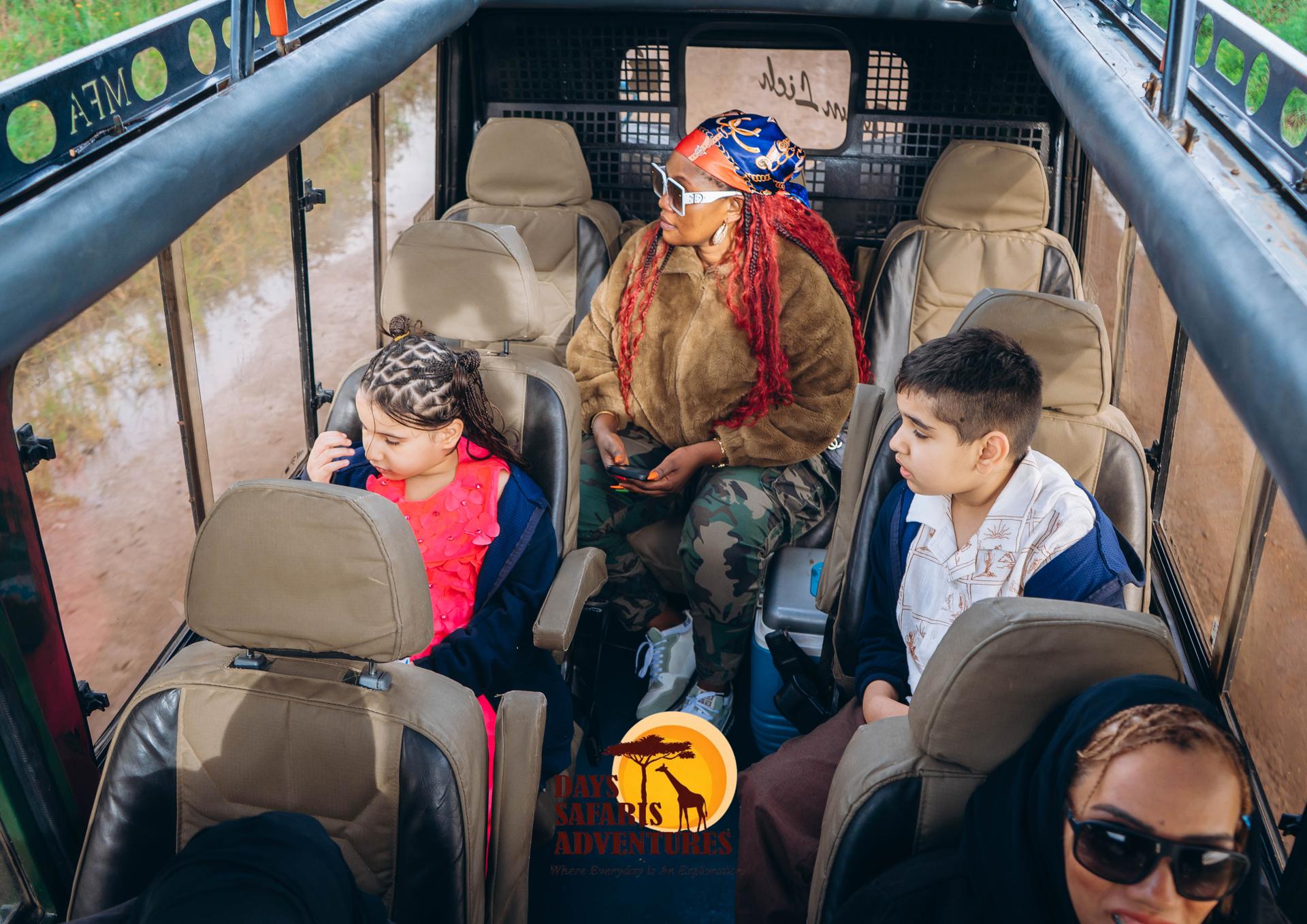
Morning and afternoon game drives are the highlight of every safari.
These drives offer the best opportunities to spot:
- Lions
- Leopards
- Cheetahs
- Elephants
- Buffalo
- Rhinos (occasionally)
- Countless other wildlife species
Early mornings and late afternoons provide cooler temperatures and more active animals.
Hot Air Balloon Safari
A sunrise hot air balloon safari offers one of the most unforgettable experiences in Africa.
Float silently above the endless plains as wildlife moves below before enjoying a champagne breakfast in the bush.
It's an experience many travellers describe as the highlight of their entire trip.
Visit a Traditional Maasai Village
Learn about the traditions and lifestyle of the Maasai people, one of East Africa's most famous communities.
Visitors can:
- Experience traditional dances
- Learn about Maasai culture
- Tour traditional homes
- Purchase authentic handmade crafts
Responsible village visits also support local communities.
Walking Safaris & Night Drives
These activities are available in many of the private conservancies surrounding the reserve.
They offer opportunities to:
- Explore nature on foot with experienced guides
- Observe nocturnal wildlife
- Enjoy a quieter safari experience
These activities are not permitted inside the national reserve itself.
Masai Mara National Reserve vs Private Conservancies
Choosing where to stay is one of the biggest decisions when planning your safari.
Masai Mara National Reserve
Advantages:
- Highest wildlife concentration
- Main Mara River crossing locations
- Access for all licensed safari operators
- Excellent first-time safari experience
During migration season, some sightings may attract many vehicles.
Private Conservancies
Popular conservancies include:
- Mara North Conservancy
- Naboisho Conservancy
- Olare Motorogi Conservancy
Benefits include:
- Fewer vehicles
- Smaller number of guests
- More exclusive safari experience
- Walking safaris
- Night game drives
- Off-road wildlife viewing
Many visitors choose to split their stay between the reserve and a conservancy to enjoy the best of both worlds.
Getting to the Masai Mara from Nairobi
There are two main ways to reach the reserve.
By Road
- Approximately 5–6 hours from Nairobi
- Most affordable option
- Ideal for group safaris
- Scenic drive through the Great Rift Valley
Road conditions vary depending on the season.
By Air
Flights depart daily from Wilson Airport in Nairobi.
Benefits include:
- Around 45 minutes flight time
- Comfortable travel
- More time on safari
- Perfect for luxury or short itineraries
Although flights cost more than driving, they significantly reduce travel time.
Can You Visit the Masai Mara in One Day?
Technically yes—but it isn't recommended.
The drive from Nairobi takes around 5–6 hours each way, leaving very little time for wildlife viewing.
A 2-day, 1-night safari provides a much more rewarding experience, while 3–4 days is ideal.
What to Pack
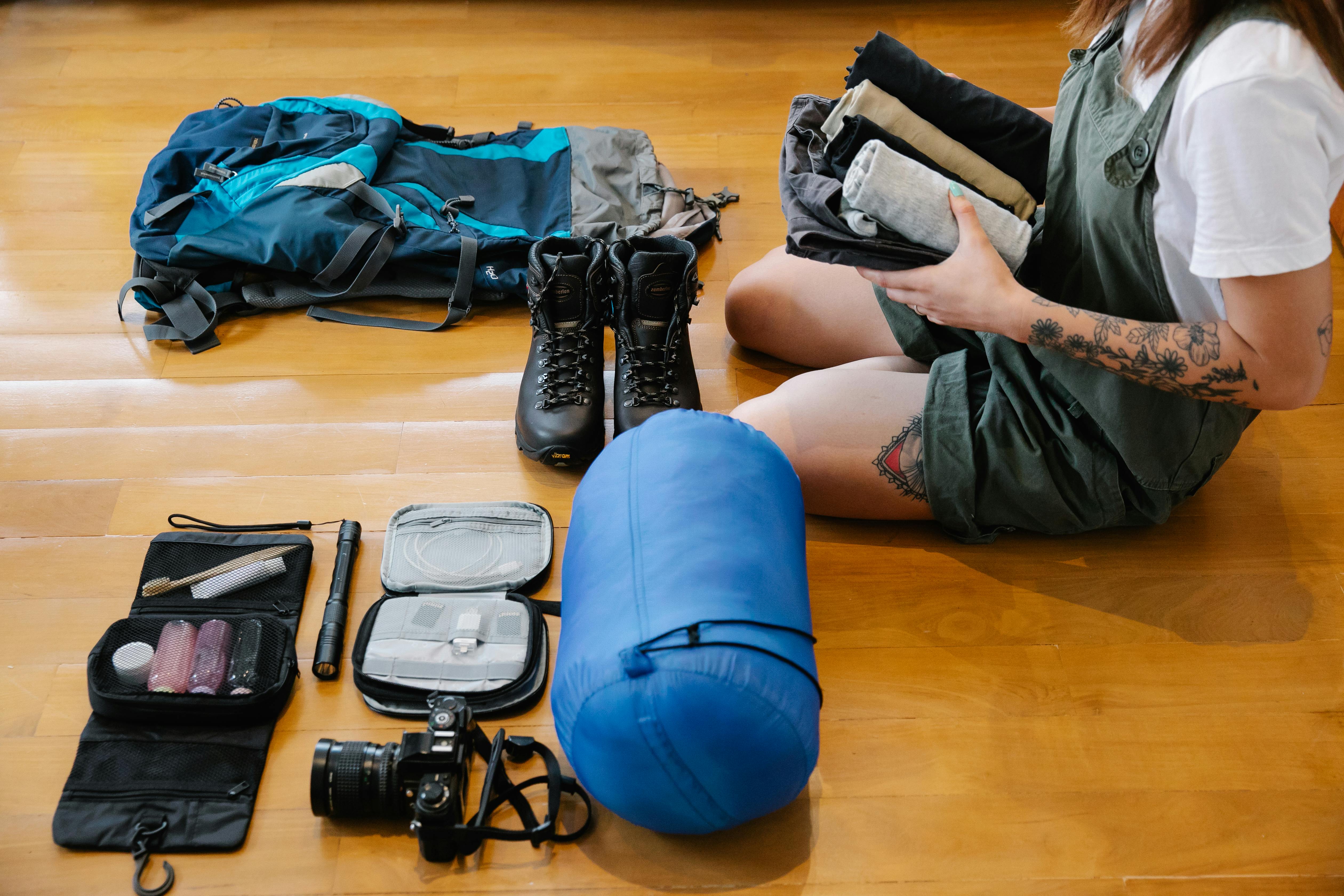
Before travelling, make sure you have:
- Neutral-coloured clothing (khaki, olive, brown, beige)
- Warm jacket for early morning game drives
- Comfortable walking shoes
- Wide-brimmed hat
- Sunglasses
- High-SPF sunscreen
- Binoculars
- Camera with zoom lens
- Extra batteries
- Spare memory cards
- Power bank
- Insect repellent
- Reusable water bottle
- Light scarf or dust mask during the dry season
Packing smart ensures a more comfortable safari.
Do You Need a Visa?
Most international visitors require a Kenya Electronic Travel Authorisation (eTA) before travelling.
Requirements vary by nationality, so it's important to apply in advance and check the latest entry requirements before booking your trip.
Planning Your Safari
Every safari is different.
The best itinerary depends on:
- Your travel dates
- Budget
- Wildlife interests
- Preferred accommodation
- Length of stay
Working with experienced local guides ensures you enjoy the very best of the Masai Mara while maximizing your chances of unforgettable wildlife sightings.
Frequently Asked Questions
How many days should I spend in the Masai Mara?
A minimum of 2 nights is recommended, while 3–4 nights provides a much richer safari experience, especially during the Great Migration.
Is the Masai Mara safe?
Yes. The reserve is one of Africa's safest and most established safari destinations. Always follow your guide's instructions and travel with a reputable safari operator.
Can I do a day trip from Nairobi?
Although possible, it isn't ideal due to the long travel time. A multi-day safari allows you to fully experience the reserve.
What's the difference between the reserve and the conservancies?
The National Reserve offers the famous river crossings and the highest concentration of wildlife.
Private conservancies provide fewer vehicles, more exclusive experiences, night game drives, walking safaris, and off-road wildlife viewing.
Do I need a Kenya eTA?
Most travellers require an Electronic Travel Authorisation before arrival. Check the latest entry requirements for your nationality before travelling.
Plan Your Masai Mara Adventure
Whether you're dreaming of witnessing the Great Wildebeest Migration, spotting the Big Five, soaring above the plains in a hot air balloon, or experiencing authentic Maasai culture, the Masai Mara promises memories that will last a lifetime.
At Day Safaris Adventures, we specialize in day trips, multi-day safaris, luxury experiences, and fully customized itineraries across Kenya. Our experienced local guides will help you experience the very best of the Masai Mara while creating a safari tailored to your interests, schedule, and budget.
Start planning your unforgettable Masai Mara safari today with Day Safaris Adventures.