Best Time to Visit Kenya for a Safari in 2026
Kenya is one of the few safari destinations in the world where every month of the year offers genuinely outstanding wildlife experiences. But choosing the right time to visit can make the difference between seeing a river crossing with 10,000 wildebeest and arriving a week after the herds have moved on.
This guide breaks down every month of the Kenya safari calendar so you can plan your trip with confidence and make the most of your time and budget.
THE SHORT ANSWER: WHEN IS THE BEST TIME TO VISIT KENYA?
The best time to visit Kenya for a safari is July to October for the Great Wildebeest Migration, or January to February for calving season and excellent predator activity. If budget is your priority, April to June offers the lowest prices with uncrowded parks and lush green scenery.
THE KENYA SAFARI SEASONS EXPLAINED
JULY TO OCTOBER - PEAK MIGRATION SEASON
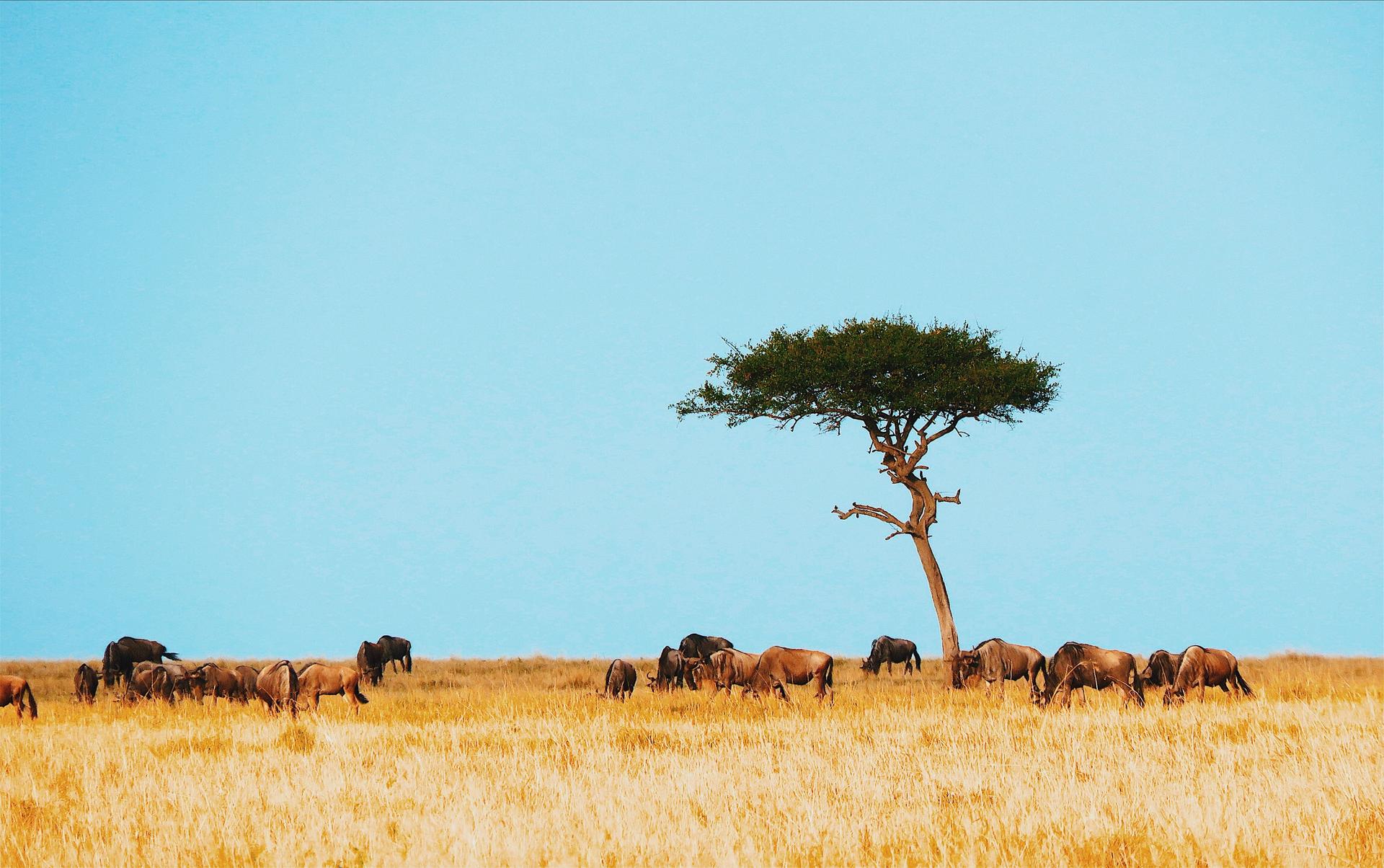
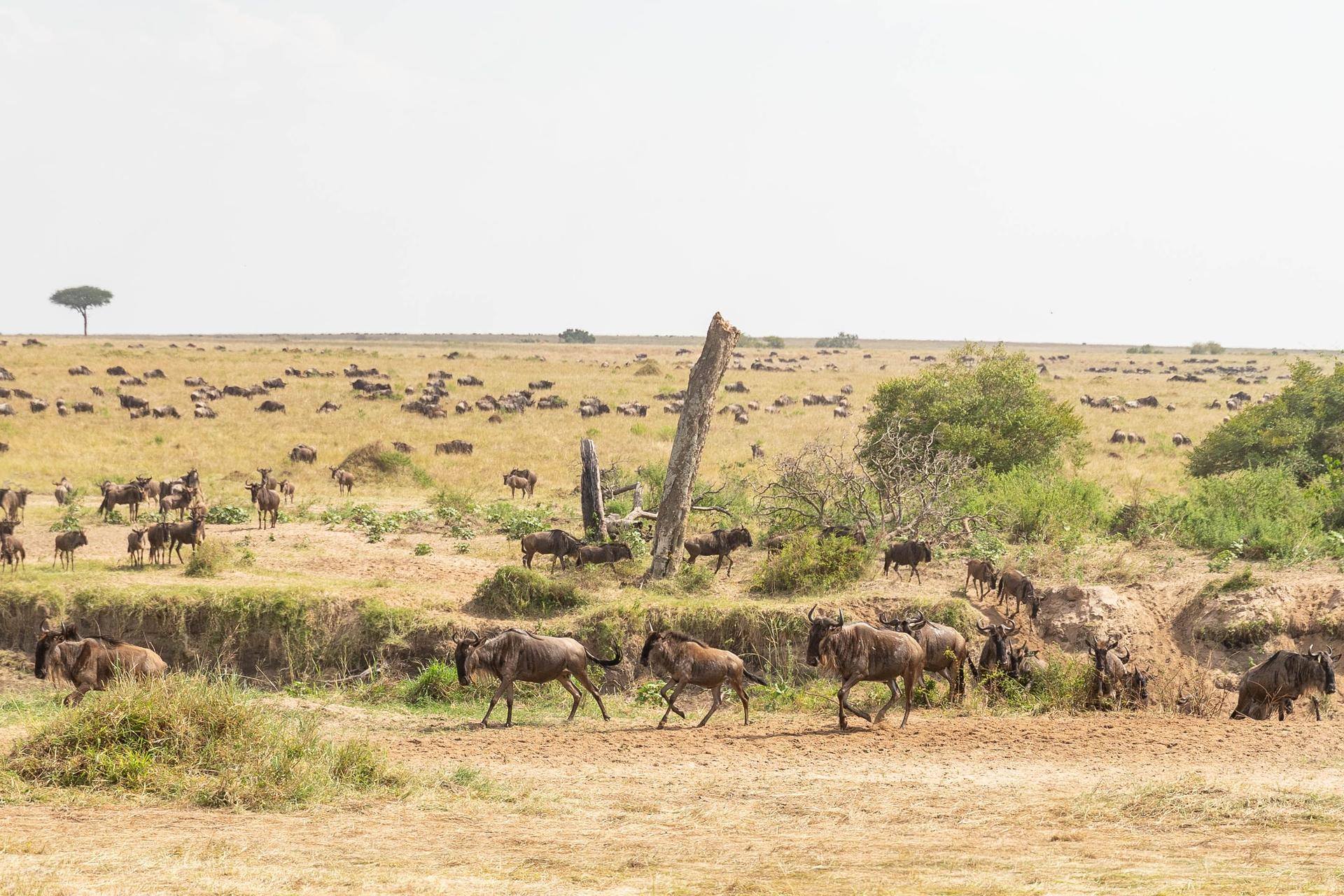
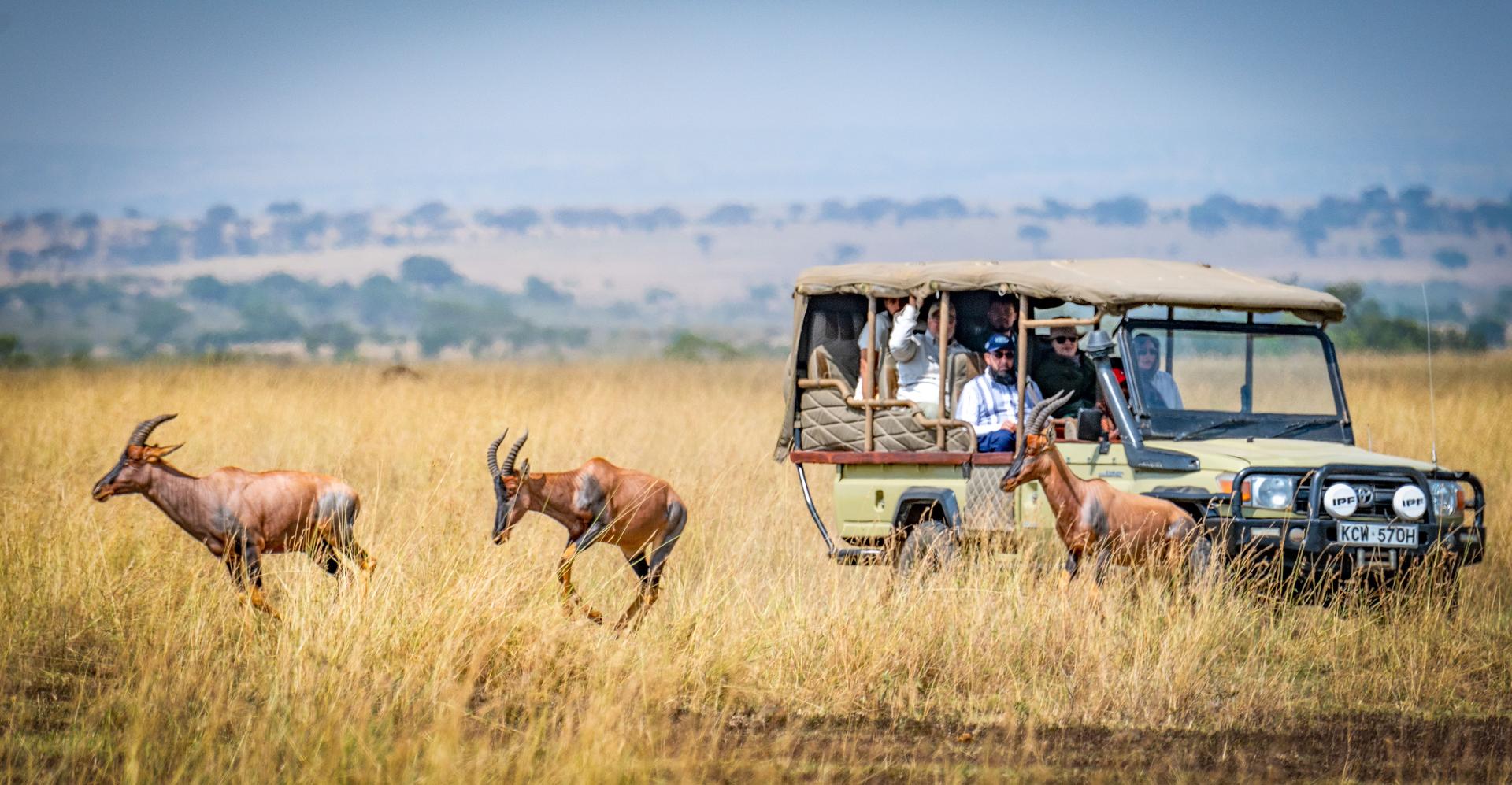
This is the most popular time to visit Kenya and for very good reason. The Great Wildebeest Migration reaches its most dramatic peak in the Masai Mara between July and October. Over 1.5 million wildebeest, 200,000 zebra, and 500,000 Thomson's gazelle pour across the Tanzania border into the Masai Mara in search of fresh grazing.
The highlight is the Mara River crossings. Massive herds gather on the riverbanks before plunging into the crocodile-filled waters in chaotic, thundering waves. It is one of the most dramatic wildlife spectacles on earth and something that stays with travellers for life.
Weather during this period is mostly dry and warm with little rainfall. Game viewing conditions are excellent across all Kenyan parks. Wildlife concentrates around water sources making sightings more predictable.
The downside is cost and crowds. Peak season prices in the Masai Mara can be 30 to 50 percent higher than shoulder season. Popular camps book out months in advance. River crossing points can attract multiple vehicles.
JANUARY TO FEBRUARY - CALVING SEASON AND DRY WEATHER
January and February are among the best months to visit Kenya for value and wildlife quality combined. The short dry season brings clear skies, excellent game viewing, and significantly lower visitor numbers than peak season.
While the wildebeest calving happens in Tanzania's Serengeti during this period, the Masai Mara still holds excellent resident wildlife. Predator activity is particularly high as lions, cheetahs, and leopards take advantage of confused and separated animals.
Amboseli National Park is spectacular in January and February. Clear skies bring unobstructed views of Mount Kilimanjaro above the elephant herds - one of Africa's most iconic photographic opportunities.
This is an excellent time to visit Kenya if you want outstanding wildlife experiences without peak season prices and crowds.
JUNE - SHOULDER SEASON SWEET SPOT
June marks the start of the dry season and the beginning of the migration build-up in the Masai Mara. Wildlife viewing is excellent, the long rains have ended, vegetation has thinned out making animals easier to spot, and prices have not yet reached peak levels.
Large wildebeest herds begin crossing into Kenya from Tanzania from late June onwards. Travelling in June gives you the chance to experience early migration sightings before the main July rush at more reasonable rates.
NOVEMBER TO DECEMBER - SHORT RAINS
The short rainy season brings a brief but reliable rainfall pattern across Kenya, typically in November and early December. This is one of the most beautiful times to visit from a landscape perspective. The savannah turns vivid green, dramatic storm clouds provide spectacular photography conditions, and resident wildlife spreads out across the revitalised plains.
Bird watching reaches its peak during this period. Migratory birds arrive from Europe and Asia joining Kenya's resident species, bringing the total bird count at some sites to over 500 species.
Accommodation rates are lower than peak season. Parks are quieter. The wildlife is still excellent, just more spread out across the landscape.
APRIL TO MAY - LOW SEASON (LONG RAINS)
April and May bring Kenya's long rainy season. Afternoon downpours are common, some bush roads become impassable, and a small number of camps close temporarily. This is Kenya's cheapest time to visit and some lodges offer discounts of 30 to 50 percent below peak rates.
If you are comfortable with some rain and occasional road challenges, the rewards are significant. You will have parks almost entirely to yourself. Lush green scenery is stunning for photography. Newborn animals are abundant following the rains. And your safari budget goes significantly further.
BEST TIME TO VISIT KENYA BY PARK
Masai Mara - July to October for migration. January to February for predators and value.
Amboseli - January and February for Kilimanjaro views. June to October for dry season game viewing.
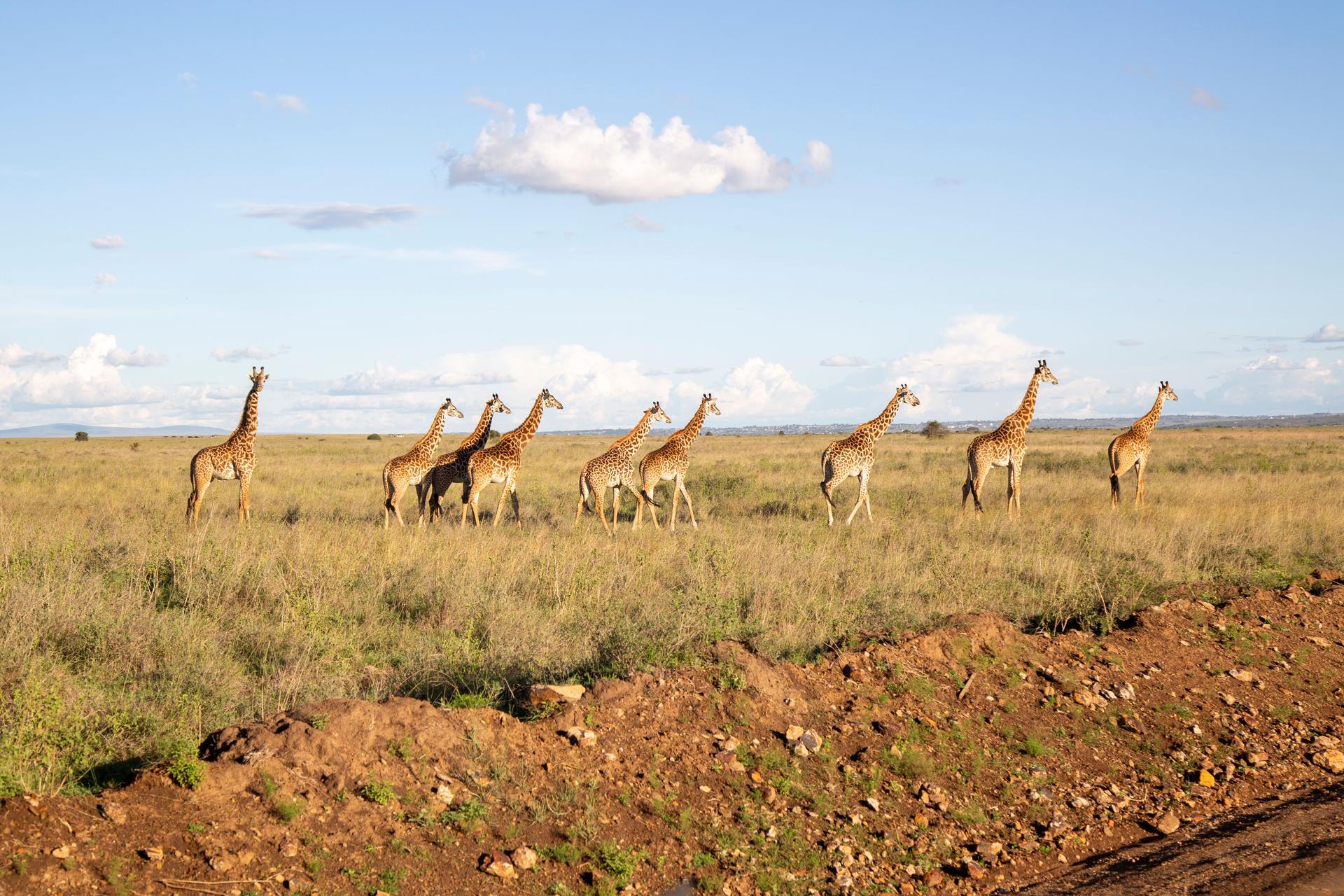
Lake Nakuru - Year-round. Flamingo numbers vary but rhino, lion, and giraffe are resident.
Tsavo East and West - June to October for best dry season conditions.
Samburu - June to October. Unique northern species including Grevy's zebra, reticulated giraffe, and gerenuk.
Laikipia - Year-round but January to March and July to October for best wildlife.
Mount Kenya Trekking - January to February and August to September for clearest summit conditions.
Mount Kilimanjaro Climbing - January to February and June to October for best climbing weather.
KENYA WEATHER OVERVIEW
Kenya sits on the equator and temperatures remain warm year-round across most of the country. Average daytime temperatures range from 20 to 30 degrees Celsius in most safari parks. Early mornings can be cold, dropping to 10 to 12 degrees Celsius in the Masai Mara before sunrise regardless of season. Always pack warm layers for dawn game drives.
The coast at Mombasa and Diani Beach follows different rainfall patterns. April to June is the wet season on the coast while January to March and July to October offer excellent beach conditions.
COMBINING SAFARI AND BEACH IN KENYA
Many travellers combine a Masai Mara safari with a few days at Kenya's coast. The most popular combinations are Masai Mara plus Diani Beach, and Amboseli plus Mombasa with an easy road connection through Tsavo making a natural safari and beach circuit.
Day Safaris Adventures can arrange combined safari and beach packages tailored to your dates, budget, and interests. Contact us for a customised itinerary.
FREQUENTLY ASKED QUESTIONS
What month is cheapest to visit Kenya?
April and May during the long rains are the cheapest months. Accommodation rates drop significantly and parks are uncrowded. June is a good compromise between low prices and improving weather.
What month is most expensive to visit Kenya?
August and September during peak migration season are the most expensive months, particularly in the Masai Mara. Book well in advance as popular camps sell out months ahead.
Can you see the Great Migration in Kenya in December?
No. The Great Wildebeest Migration is typically in Kenya's Masai Mara from July to October. By November the herds begin moving back south into Tanzania. December to June the migration is primarily in Tanzania's Serengeti.
Is Kenya hot in December?
December is warm and pleasant across most of Kenya with temperatures around 24 to 28 degrees Celsius. The short rains ease by mid-December and Christmas is a popular time to visit with excellent weather.
How many days do I need in Kenya?
A minimum of 5 days is recommended for a meaningful Kenya safari experience. 7 to 10 days allows you to visit two or three parks comfortably. 12 to 14 days is ideal for combining safari and beach in one trip.
PLAN YOUR KENYA SAFARI WITH DAY SAFARIS ADVENTURES
Day Safaris Adventures is a Nairobi-based safari operator with expert knowledge of Kenya's seasonal patterns, park conditions, and the best times to visit for every type of traveller. We offer safaris across all budgets and can help you choose the perfect dates for your trip.
WhatsApp: +254 759 379 600
Email: info@daysafarisadventures.co.ke
Location: Nairobi Railways Museum, Nairobi, Kenya