Welcome To Day Safaris Adventures
Masai Mara Safari Guide 2026 — Everything You Need to Know
July 05, 2026
Mr Days
There are places you visit, and there are places that change how you see the natural world. The Masai Mara is the second kind. It is Kenya's most famous safari destination, home to the highest density of big cats in the country and the setting for the Great Migration, one of the last truly massive wildlife spectacles left on earth.
If you are planning your first trip, or your fifth, this guide covers everything you need: when to go, what to expect, where to stay, how to get there from Nairobi, and how to make the most of your time in the reserve.
What Makes the Masai Mara Special
The Masai Mara National Reserve sits in southwestern Kenya, bordering Tanzania's Serengeti National Park. Together they form one continuous ecosystem, so the wildlife does not recognise the border between the two countries.
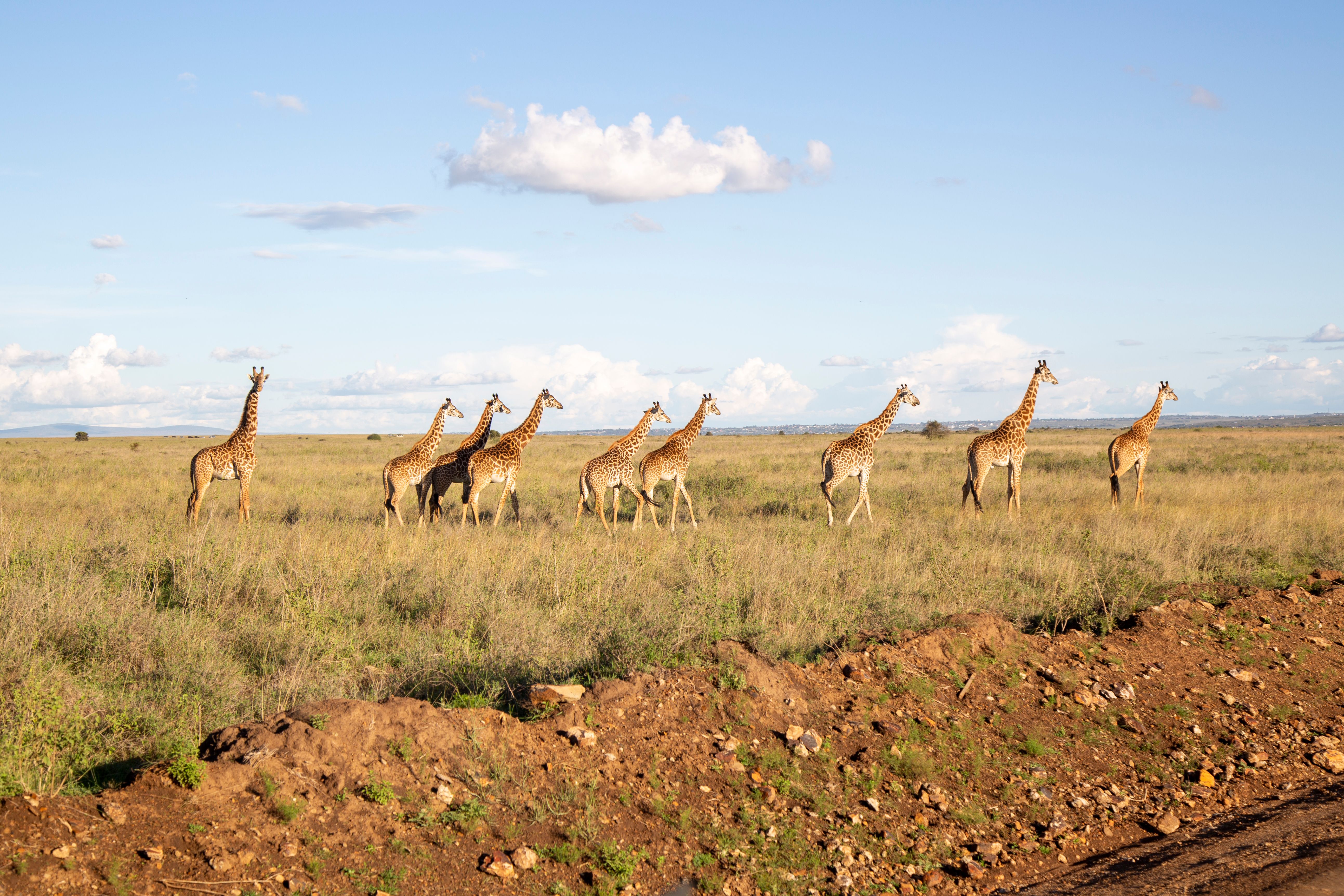
The Mara is known for three things above all else. First, its big cats. Lion prides here are large and easy to find, leopards are seen regularly along the riverine woodlands, and the open plains are ideal cheetah habitat. Between lions, leopards, cheetahs, elephants, and buffalo, you have a strong chance of seeing four of the Big Five on a standard game drive circuit.
Second, its compact size. Unlike the vast Serengeti, the Mara is small enough that you are rarely far from the action, which means more time watching wildlife and less time driving between sightings.
Third, and most famously, the Great Migration. Every year, more than a million wildebeest, alongside hundreds of thousands of zebra and gazelle, move in a continuous loop through the Serengeti Mara ecosystem in search of fresh grazing. When the herds reach the Mara, they must cross the Mara River, a crocodile-infested obstacle that produces some of the most dramatic wildlife footage ever filmed.
Best Time to Visit Masai Mara
The honest answer is that the Mara rewards visitors year round, but your priorities should shape your timing.
July to October: The Great Migration and river crossings. This is peak season. Herds typically arrive in the Mara by mid-July and remain until late October. August and September usually bring the highest number of river crossings, though nothing is guaranteed since the herds move on rainfall, not a calendar. Expect the highest prices, the busiest camps, and the most vehicles at popular crossing points during this window.
January to March: Green season game viewing. The landscape is lush, the light is beautiful for photography, and calving season across the wider ecosystem brings intense predator activity. Crowds and prices are noticeably lower, and the wildlife you came to see, resident lions, elephants, and buffalo, is present all year.
April to May: Long rains. This is the quietest and cheapest time to visit, with some camps discounting rates by 30 to 50 percent. Roads can be muddy and some camps close, but if budget matters more than migration drama, this is your window.
June and November: Shoulder season. June often brings the first "scout" herds arriving at the Sand River, giving a quieter preview of the migration before the peak crowds arrive. November sees the herds begin their journey back south, so you can still catch late crossings with noticeably fewer vehicles.
If witnessing a river crossing is your priority, plan for at least three to four nights in the Mara. Crossings are unpredictable, and a longer stay dramatically improves your odds compared to a rushed one or two night visit.
Things to Do in Masai Mara
Game drives are the core activity, typically run at dawn and again in the late afternoon when animals are most active and temperatures are cooler.
Hot air balloon safaris lift off before sunrise and drift silently over the plains, often followed by a champagne breakfast set up in the bush. It is one of the most memorable ways to see the Mara from above.
Guided walking safaris and night drives are available in the private conservancies surrounding the reserve, but are not permitted inside the national reserve itself. If these activities matter to you, factor that into where you choose to stay.
Maasai village visits offer a chance to learn about the culture and traditions of the Maasai people who have lived alongside this wildlife for generations. Most camps and operators can arrange a respectful, community-supporting visit.
Masai Mara National Reserve vs the Conservancies
This is one of the most important decisions you will make when planning your trip.
The national reserve is managed by the Narok County government and open to any licensed operator. It contains the main river crossing points and the highest concentration of wildlife, but it can also mean more vehicles at popular sightings, especially during peak migration months.
The private conservancies, including Mara North, Naboisho, and Olare Motorogi, are leased directly from Maasai landowners. They cap the number of vehicles and guests allowed at any time, which means a far more exclusive experience. Conservancies also permit activities the reserve does not, such as night drives, walking safaris, and off-road driving to follow wildlife.
Many travellers choose to split their stay between both: a few nights in the reserve for the crossings, and a few nights in a conservancy for a quieter, more immersive experience.
How to Get to Masai Mara from Nairobi
You have two realistic options.
By road takes roughly five to six hours each way, depending on your exact camp location and road conditions. This is the more budget-friendly option and is how most group safaris travel, but it does mean a full day of driving on your first and last day.
By air takes around 45 minutes on a scheduled flight from Nairobi's Wilson Airport to one of the Mara's airstrips. This is faster and more comfortable, particularly for travellers with limited time, though it costs more than the road transfer.
A day trip to the Mara from Nairobi is technically possible but not recommended. With five to six hours of driving each way, you would spend more time in the vehicle than in the reserve. A two day, one night trip is a far better use of your time and budget if you are working with a tight schedule.
What to Pack for a Masai Mara Safari
Neutral coloured clothing (khaki, olive, brown) rather than bright colours or all black, which can attract insects
A warm layer for early morning game drives, which can be surprisingly cold even in a hot climate
A wide brimmed hat and high SPF sunscreen
Binoculars, a genuine game changer for spotting distant wildlife
A dust mask or light scarf if visiting during the dry season, when roads can be dusty
A good camera with a zoom lens, plus spare batteries and memory cards
Comfortable, closed shoes for walking around camp
Do You Need a Visa for Kenya?
Most nationalities need a Kenyan Electronic Travel Authorisation (eTA), applied for online before you travel. Some East African Community citizens can enter without one. Always check the official eTA Kenya portal for your specific nationality's requirements well before your trip, since processing can take a few days.
Planning Your Masai Mara Safari
Every safari is guided by experienced, vetted local guides who know the Mara well.
Ready to plan your safari? Get in touch with us today and we will build an itinerary around your travel dates, interests, and budget. No generic packages, no hidden fees.
Frequently Asked Questions
How many days do I need in Masai Mara?
A minimum of two full days in the reserve is recommended, allowing for four game drives. Three days gives you more flexibility and higher chances of witnessing specific events like a cheetah hunt or a river crossing. For the Great Migration, plan for at least three to four days.
Is Masai Mara safe to visit?
Yes. The reserve is a well established safari destination with a strong tourism infrastructure. Follow your guide's instructions at all times, particularly when on foot or near water, and choose a reputable operator with experienced guides.
Can I do a day trip to Masai Mara from Nairobi?
It is possible but not ideal. The drive alone takes five to six hours each way, leaving limited time in the park. A two day, one night trip is a far better use of your time and budget. Day Safaris Adventures specialises in day safaris from Nairobi, including shorter Nairobi National Park options for travellers with limited time.
What is the difference between Masai Mara National Reserve and the conservancies?
The national reserve is managed by the Narok County government and is accessible to all operators. The surrounding private conservancies, such as Olare Motorogi, Naboisho, and Mara North, are leased from Maasai landowners and restrict the number of vehicles and guests allowed. Conservancies offer a more exclusive, intimate experience and permit activities like night drives and walking safaris that are not allowed inside the reserve.
Do I need a visa to visit Kenya?
Most nationalities need a Kenyan eTA, applied online in advance. Citizens of some East African countries enter without one. Check the official eTA Kenya portal for your nationality's requirements before booking.
Planning a Masai Mara safari? Day Safaris Adventures is a Nairobi based safari operator offering day trips, multi-day packages, and custom itineraries across Kenya. Contact us to start planning.